Planning Permission for CCTV

Installing CCTV on your property feels like a straightforward security decision — until you start reading about planning permission, listed building consent, and data protection law. The good news is that most home CCTV in Hertfordshire falls under permitted development and does not require a planning application. The nuance lies in where your property sits, how visible cameras are from the street, and whether your footage captures beyond your boundary.
Planning permission — the basics
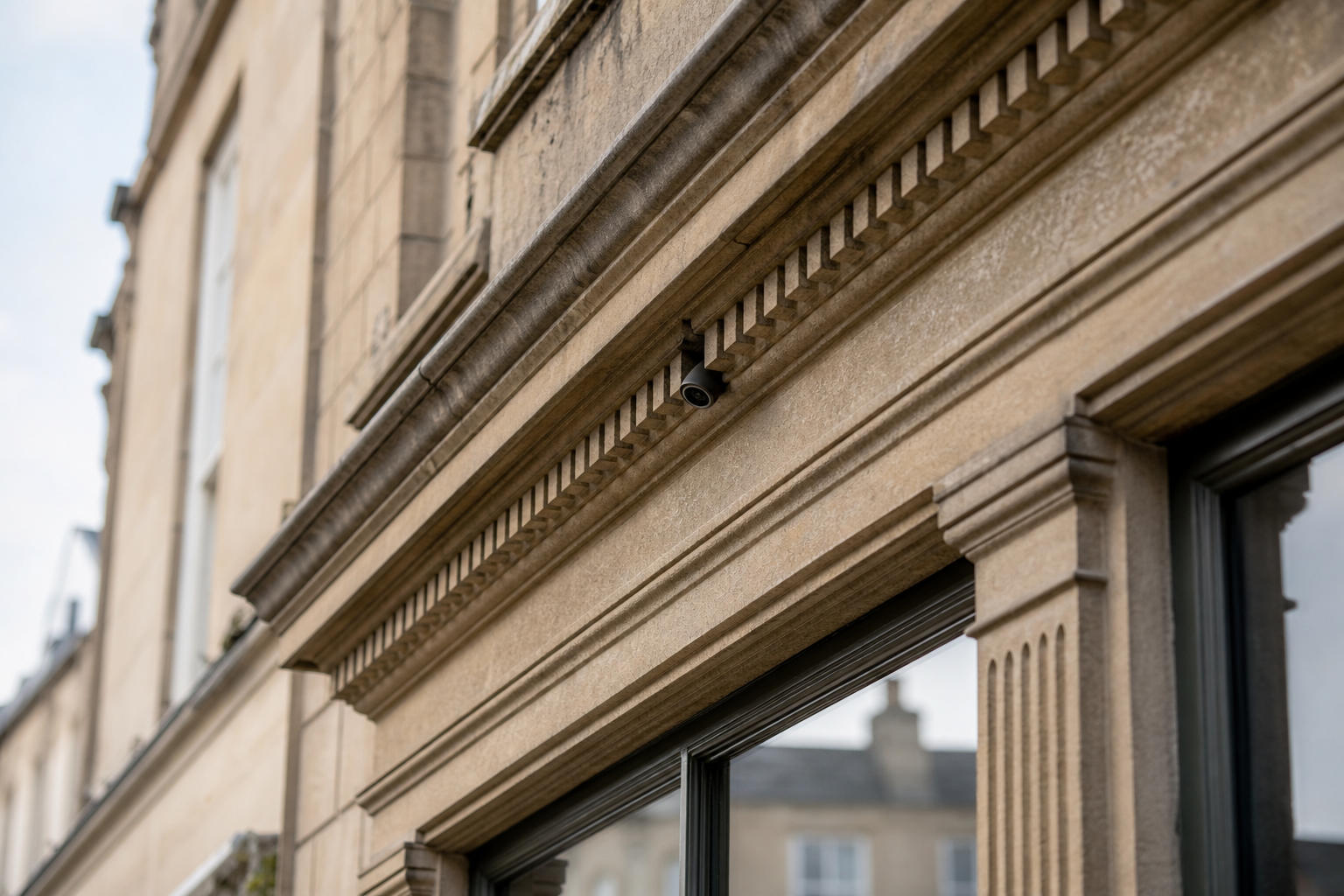 Listed and conservation properties need careful camera placement.
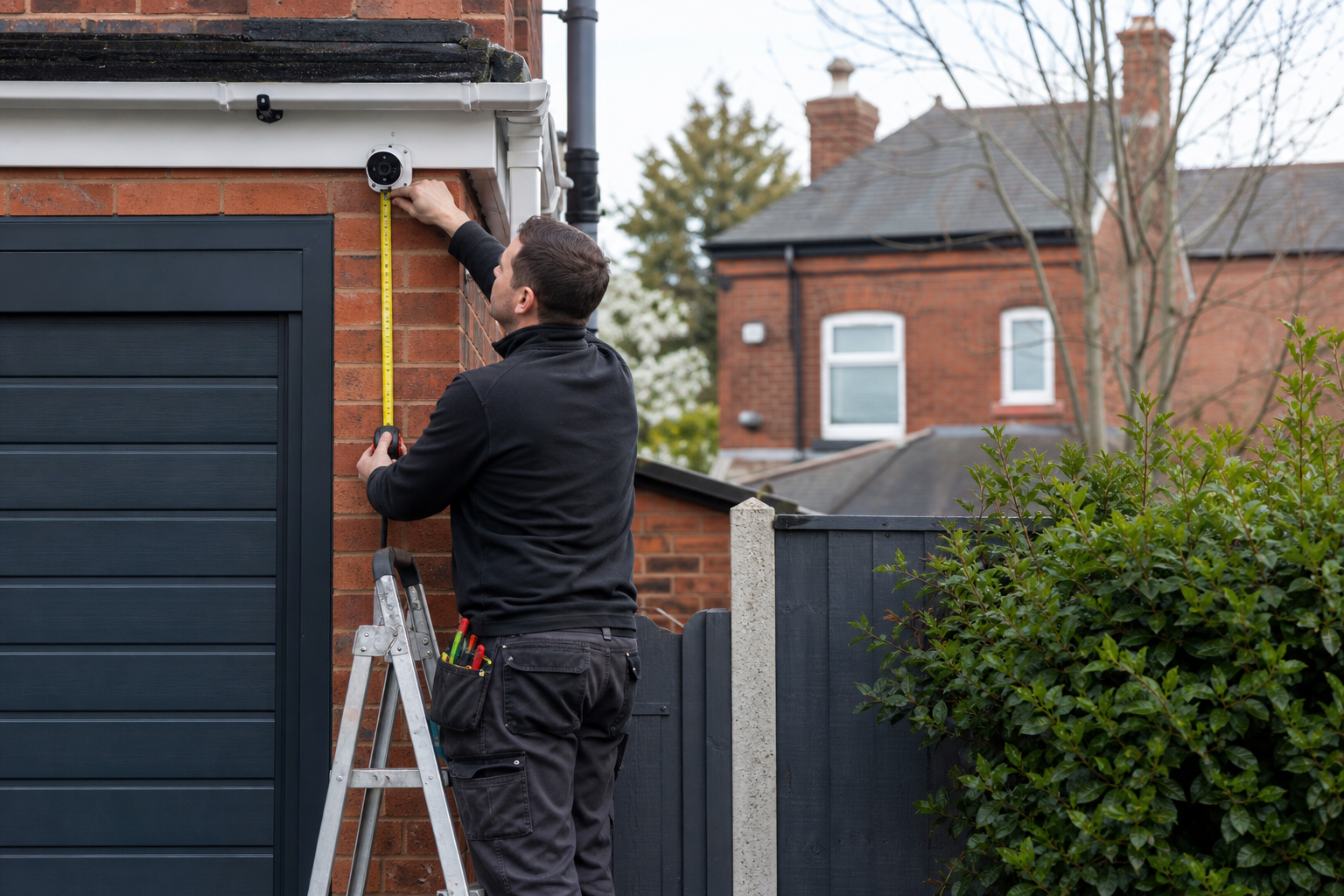 Height and field of view affect both compliance and coverage.
In England, planning permission for CCTV generally depends on whether the installation amounts to a material alteration to the appearance of the building or land.
You typically do not need planning permission when:
- Cameras are mounted on your home and are relatively discreet
- The property is not listed and not in a conservation area (or Article 4 direction area)
- Equipment does not protrude significantly or dominate the elevation
You may need planning permission or listed building consent when:
- The property is listed
- You are in a conservation area and cameras are prominent on the front elevation
- Cameras on a flat require fixing to an external wall (different rules apply to houses)
- You install large poles, brackets, or housings that change the character of the building
- A planning condition on your property restricts external alterations
St Albans, Hertford, and Bishop’s Stortford contain numerous conservation areas where front-elevation work receives closer scrutiny. We advise homeowners in St Albans and Hertford to consider rear and side elevations first, using lower-profile turret cameras rather than bulky housings where aesthetics matter.
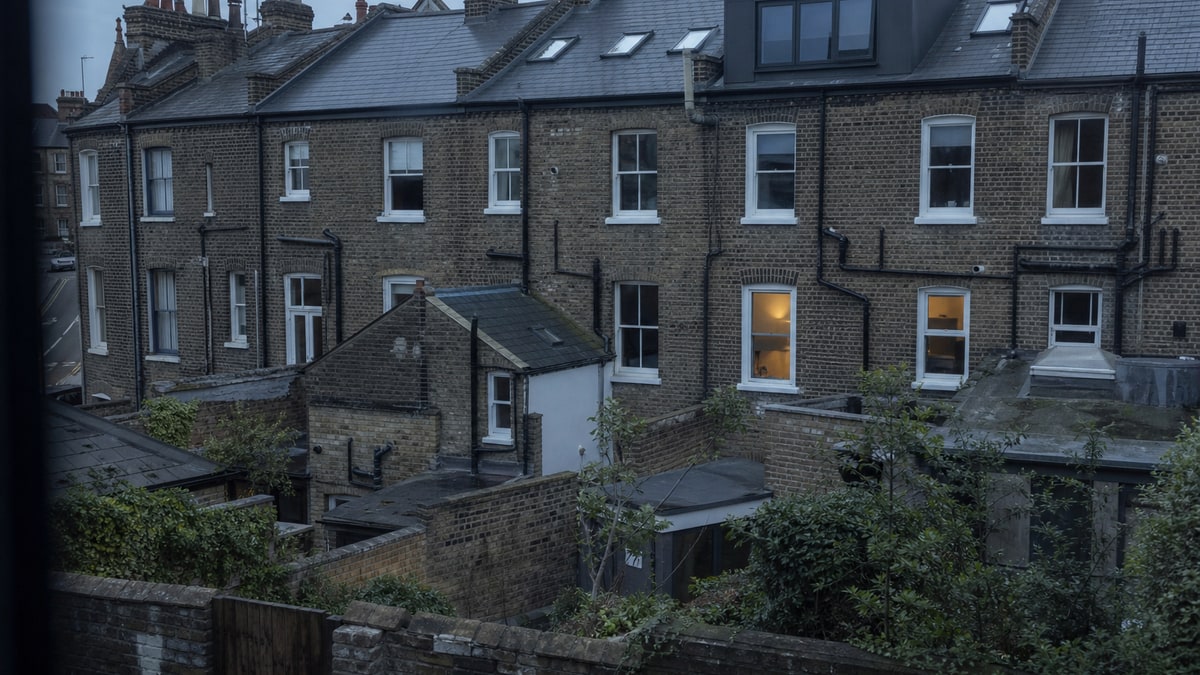
Building regulations
CCTV rarely triggers building regulations on its own. Exceptions can arise if installation involves structural penetrations, new electrical circuits that need certification, or work on communal flats where freeholder consent is required. In commercial premises across Watford and Welwyn Garden City, landlords often require documented consent before fixing equipment to shared fabric.
GDPR and the ICO — separate from planning
Planning permission and data protection are different regimes. If your cameras capture images of identifiable people — including passers-by on a public footpath — UK GDPR and the Data Protection Act 2018 apply, even on private domestic property.
The Information Commissioner’s Office (ICO) expects you to:
- Have a lawful basis for processing personal data (often legitimate interests for security)
- Inform people that CCTV is in use — signage is standard practice
- Minimise intrusion — angle cameras to your property where possible
- Set retention limits — do not keep footage indefinitely without reason
- Respond to subject access requests if someone asks for footage you hold
- Store footage securely with access limited to authorised people
For businesses, accountability goes further: documented policies, staff training, and a clear purpose for each camera. Our business CCTV installations include guidance on signage, retention, and access control to recordings.
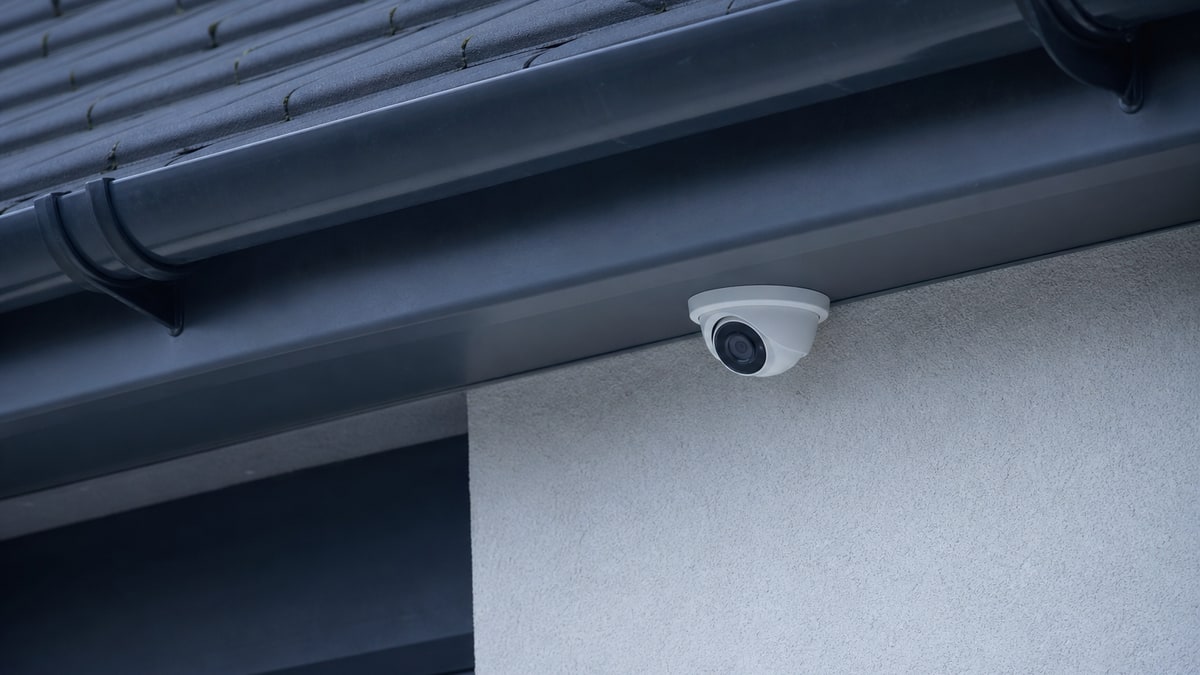
Neighbour disputes and the Surveillance Camera Code
The Surveillance Camera Code of Practice applies to relevant authorities but reflects best practice for everyone: use CCTV only when necessary, be transparent, and consider impact on privacy. Angling a camera into a neighbour’s garden is a common source of dispute — and may breach data protection law regardless of planning status.
Professional installers draw privacy masks in camera software to block areas outside your boundary. This is standard on systems we commission for homes in Harpenden and Ware where plots are close together.
Flats, shared entrances, and leasehold
If you live in a flat or maisonette, fixing cameras to communal areas usually requires freeholder or managing agent approval. Doorbell cameras on shared entrances are particularly sensitive. Check your lease before installation.
Commercial and workplace CCTV
Employers installing office security systems or retail security must conduct a data protection impact assessment where processing is likely to result in high risk — common when continuously monitoring staff or public areas. Staff should know cameras are present, why they are there, and how footage is used.
Practical steps before you install
- Check listing and conservation status — your local planning authority website or a planning search.
- Discuss with neighbours if cameras might appear to overlook their property — often prevents complaints later.
- Plan camera positions on paper — a site survey identifies blind spots and privacy risks before drilling.
- Install signage — “CCTV in operation” at entry points is cheap and demonstrates transparency.
- Configure retention — 14–30 days is typical for homes; businesses may need longer for insurance.
- Document settings — who can view live feeds, who can export footage, and how requests are handled.
When to seek formal advice
Consult your local planning authority if:
- Your home is listed or in a conservation area and cameras will be visible from the street
- You are unsure whether a previous planning condition restricts external equipment
- You operate a business in regulated sectors with additional oversight
For data protection, the ICO website publishes accessible guidance for home and business users. We are installers, not solicitors — but we install to standards that align with ICO expectations and explain privacy configuration during handover.
Professional installation helps compliance
Correct mounting, privacy masking, and secure recording are easier to achieve when specification and commissioning are done properly. Our CCTV installation process includes a walk-through of legal responsibilities alongside technical handover — so you understand both what the system does and how to use it lawfully.
Unsure whether your property needs consent? Request a free site survey and we will assess mounting positions, privacy impact, and specification across Hertfordshire.

