CCTV Laws in the UK

CCTV is one of the most effective deterrents available to homeowners and businesses — but in the UK, turning a camera on means entering the world of data protection law. That applies whether you operate a single doorbell camera in Broxbourne or a sixteen-camera warehouse system near Stevenage. Understanding your obligations before installation prevents complaints, enforcement action, and awkward conversations with neighbours.
The legal framework
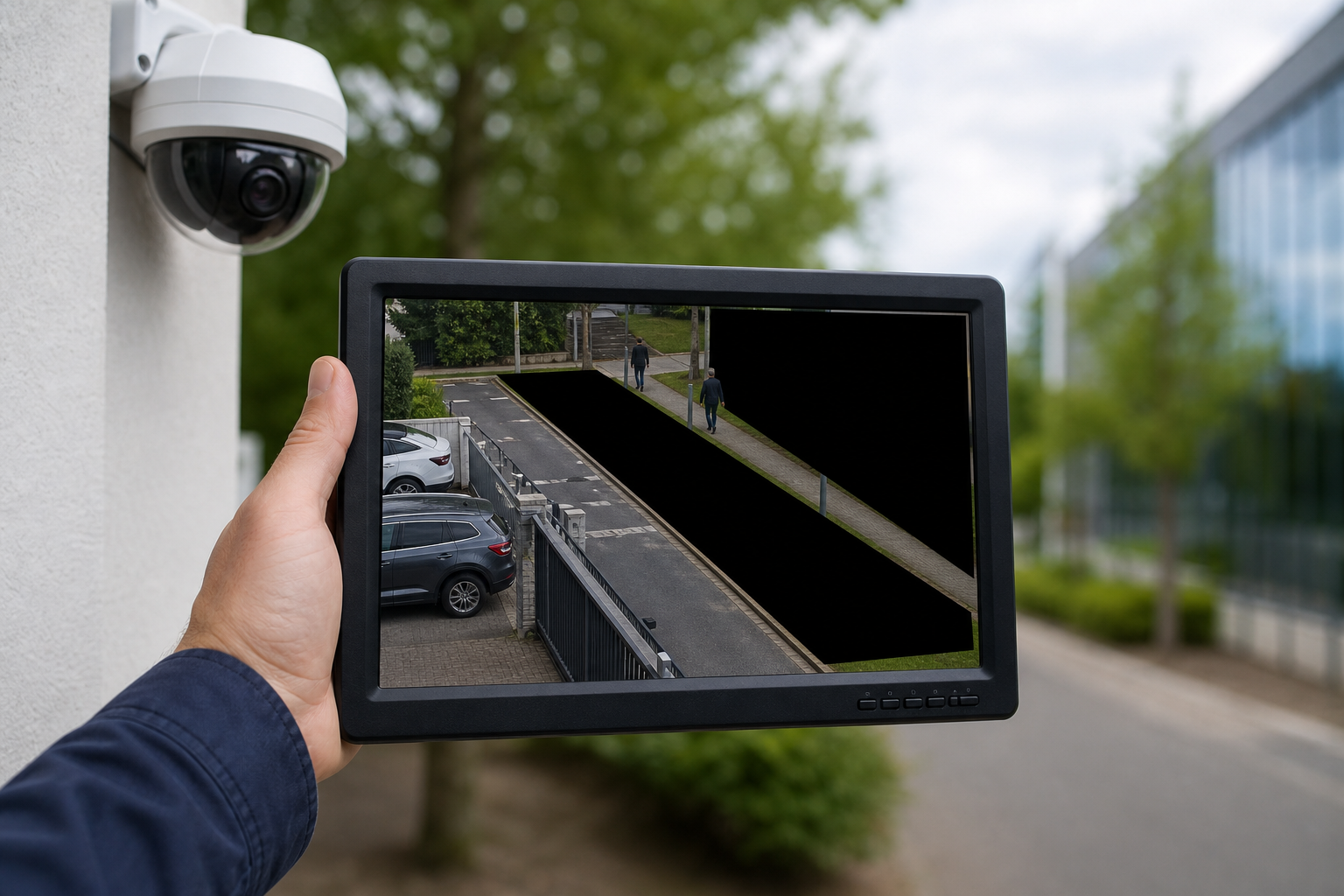 Mask public areas and neighbouring property where footage is not required.
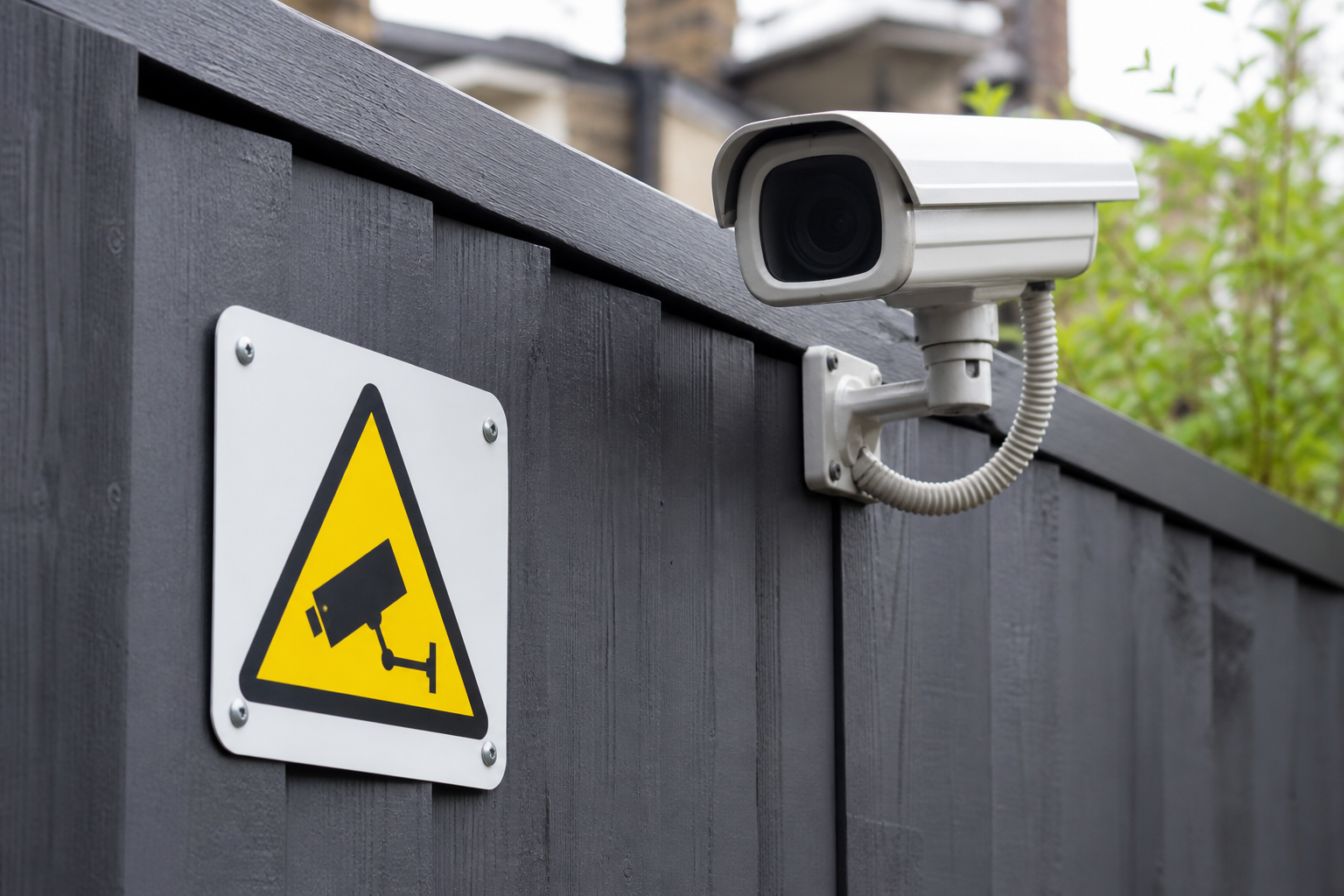 Clear signage helps meet transparency requirements.
Domestic and business CCTV that captures identifiable individuals falls under:
- UK GDPR and the Data Protection Act 2018
- ICO guidance on domestic and workplace surveillance
- The Human Rights Act 1998 (Article 8 — right to privacy) in dispute contexts
- RIPA (Regulation of Investigatory Powers Act) — relevant mainly to public authorities, not typical private installs
There is no separate “CCTV licence” for ordinary homeowners. Instead, you become a data controller for the personal data (images and recordings) your system captures.
Domestic CCTV — what homeowners must do
The ICO recognises that people use home CCTV for crime prevention. You still have responsibilities:
Filming only your property
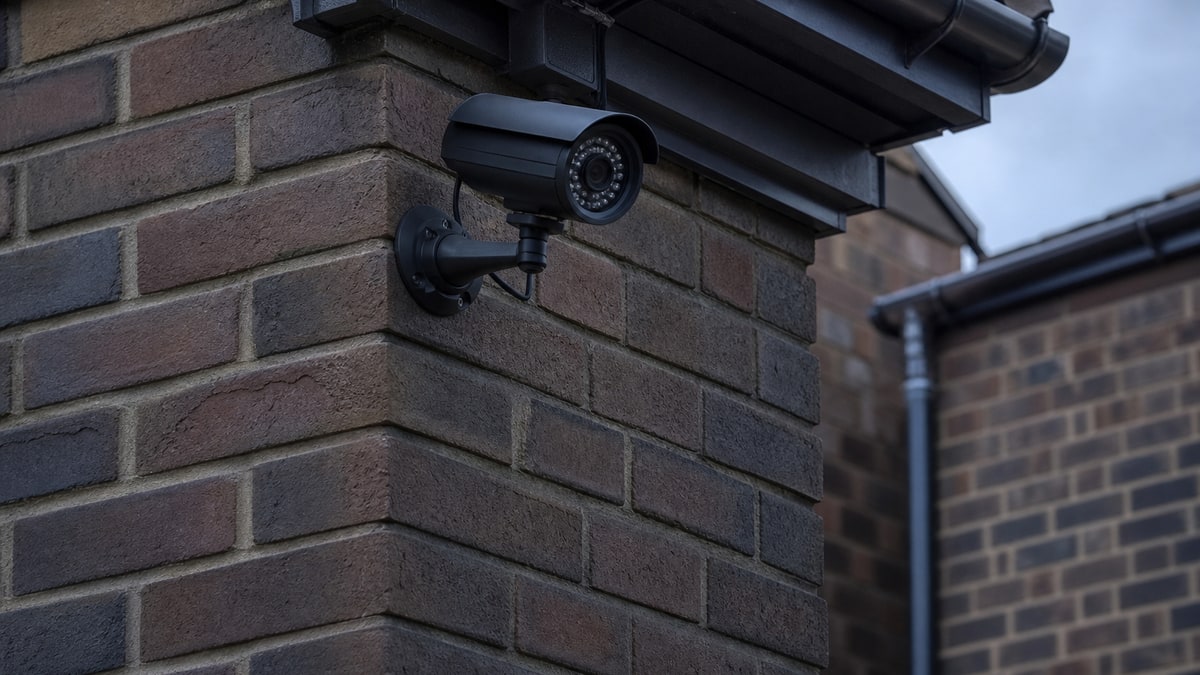
Angle cameras to cover your home, garden, driveway, and entry points. Deliberately filming a neighbour’s bedroom or garden is difficult to justify and may breach data protection principles. Software privacy masks block areas beyond your boundary — we configure these during CCTV installation across Hertfordshire.
Transparency
Place clear signage at entry points: “CCTV in operation” with contact details is standard. Doorbell cameras should be obvious — not hidden.
Retention
Keep footage only as long as needed. For most homes, 14–30 days is reasonable unless an incident requires preserving clips. Delete routinely; do not hoard years of recordings “just in case.”
Security of recordings
Password-protect your NVR and app. Use strong credentials and two-factor authentication. Limit who in the household can export or share clips.
Subject access requests
If a passer-by, delivery driver, or neighbour asks for footage you hold of them, you may need to respond within one month. You can refuse if providing footage would prejudice an investigation or breach others’ privacy — but you should document your reasoning.
Audio recording
Recording audio is more intrusive than video and harder to justify domestically. Most professional home CCTV avoids audio unless there is a specific, documented need.
Business CCTV — higher accountability
Employers and commercial operators face stricter expectations:
- Document why each camera exists and what problem it solves
- Conduct a data protection impact assessment (DPIA) where monitoring is likely high-risk — common for continuous employee monitoring
- Inform staff and visitors through signage and policies
- Nominate someone responsible for footage requests and deletion schedules
- Ensure contracts with commercial security installers cover data processing roles where applicable
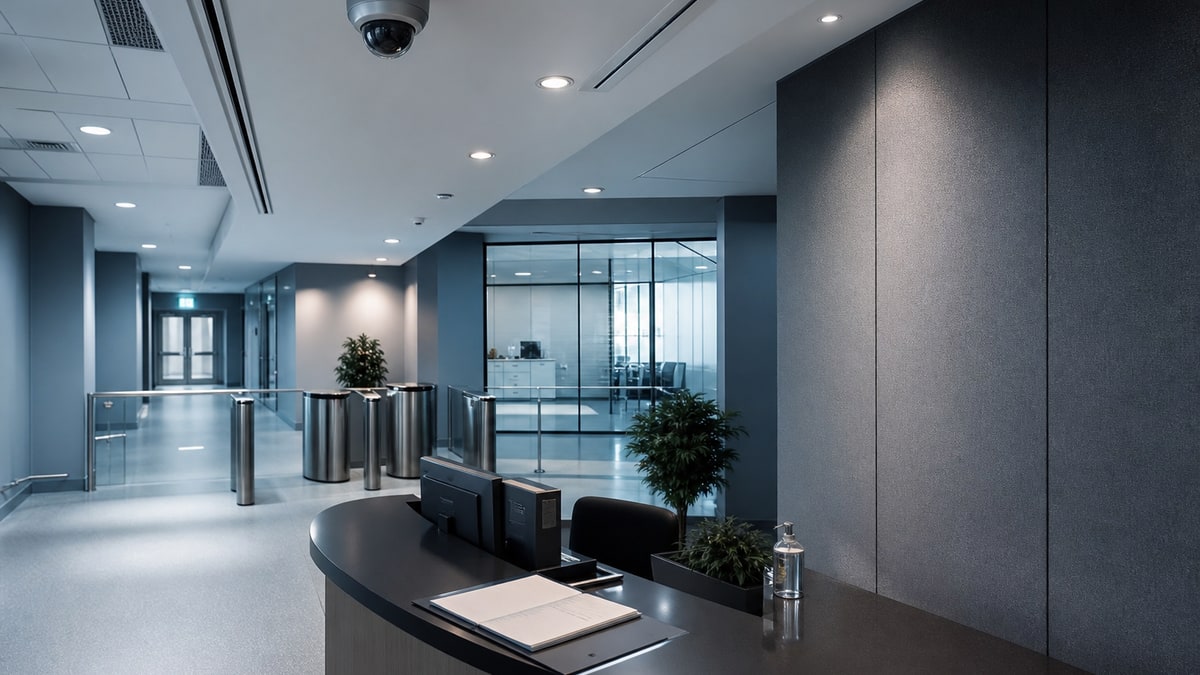
Retail, office, and warehouse security systems across Watford and Hemel Hempstead often require 60–90 day retention for insurance — document this as your lawful retention period.
Sharing footage with police
You may voluntarily share relevant clips with police investigating crime. Do not publish footage on social media to “identify thieves” — you risk breaching others’ privacy and prejudicing investigations. Export only what is necessary and keep a log of what you shared and when.
Employees and monitoring
Monitoring staff without clear policy invites employment tribunal risk. Cameras at tills and stock rooms are common; cameras in break rooms or toilets are not acceptable. Consult HR policies and ICO workplace guidance before expanding coverage.
Doorbell cameras and delivery drivers
Video doorbells at front doors often capture public pavement and neighbours’ property. They are lawful when configured proportionately — but remain a frequent source of neighbourhood disputes. Minimise field of view, use motion zones, and avoid recording audio unless necessary.
Penalties for getting it wrong
The ICO can investigate complaints and issue enforcement notices, fines, and orders to change practices. Fines scale with severity and whether you are a business. Reputational damage from a neighbourhood dispute can matter as much as formal penalties for homeowners.
Best practice checklist
| Requirement | Home | Business |
|---|---|---|
| Signage at entry | Yes | Yes |
| Privacy masks for neighbours/public | Recommended | Required where applicable |
| Written retention period | Good practice | Required |
| Secure access to footage | Yes | Yes |
| Policy for SARs | Good practice | Required |
| DPIA | Rarely | Often |
| Staff notification | N/A | Required |
How professional installation supports compliance
Installers cannot give legal advice, but professional commissioning makes compliance achievable:
- Cameras positioned to minimise intrusion
- Privacy zones configured in software
- Retention set on the NVR
- Secure remote access configured without default passwords
- Handover documentation for insurers and, for businesses, audit trails
We install business CCTV and domestic systems throughout Hertford, Bishop’s Stortford, and surrounding towns — with privacy configuration included in every handover.
Staying updated
ICO guidance evolves. Check ico.org.uk for domestic and workplace CCTV factsheets before expanding an existing system. If you inherit cameras from a previous owner, reconfigure passwords, retention, and angles before relying on them.
Want CCTV that deters crime and respects privacy law? Book a free site survey — we will specify coverage, configure privacy settings, and explain your responsibilities clearly.

