Best CCTV Systems for 2026

Choosing a CCTV system in 2026 is less about finding the cheapest camera bundle and more about specifying equipment that records reliably, respects privacy law, and actually helps when something goes wrong. Whether you are protecting a family home in St Albans or a trade counter in Hemel Hempstead, the principles are the same: coverage, image quality, storage, and installation quality matter more than brand badges on a box.
Resolution and sensor quality
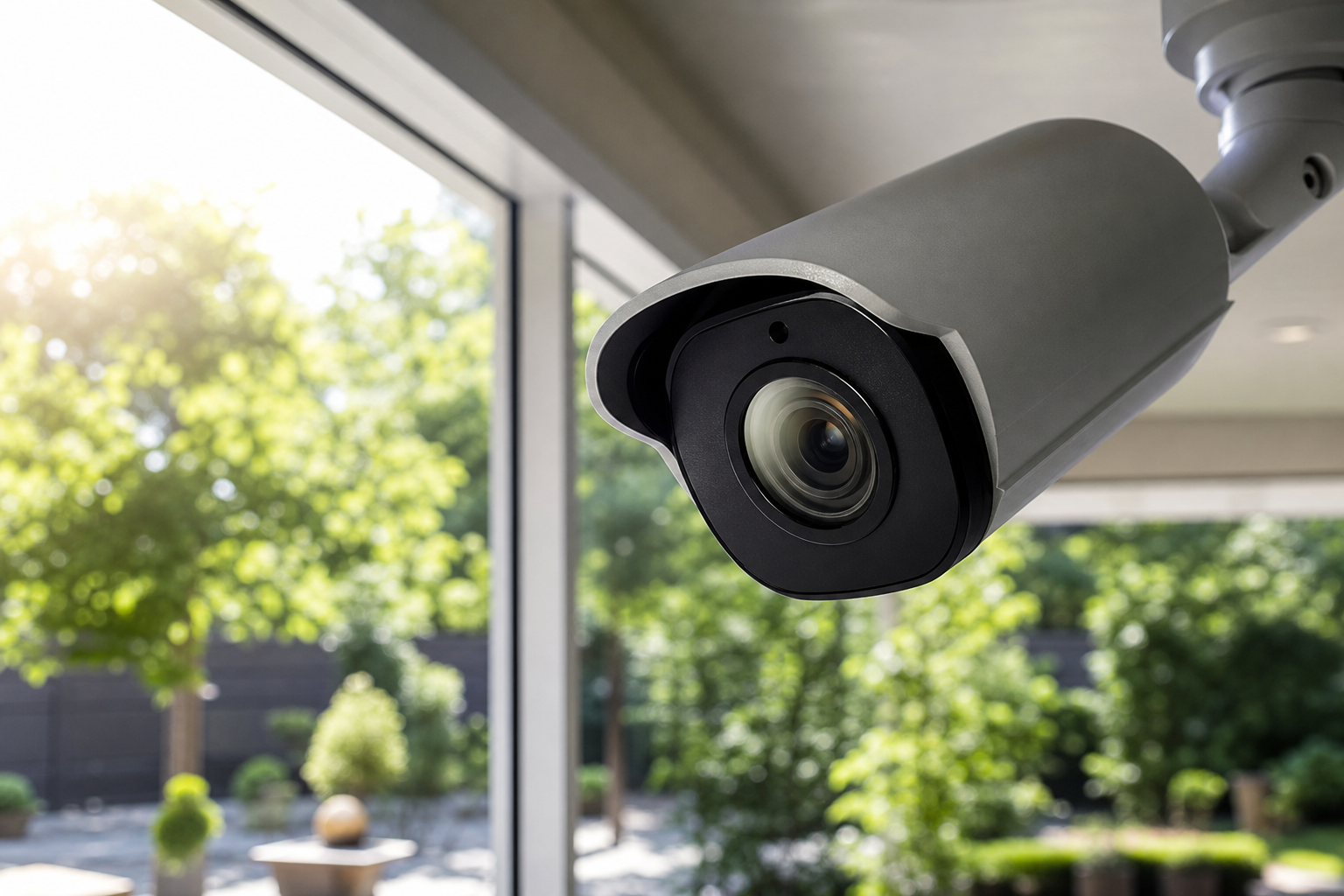 Wide dynamic range matters where cameras face direct sunlight or headlights.
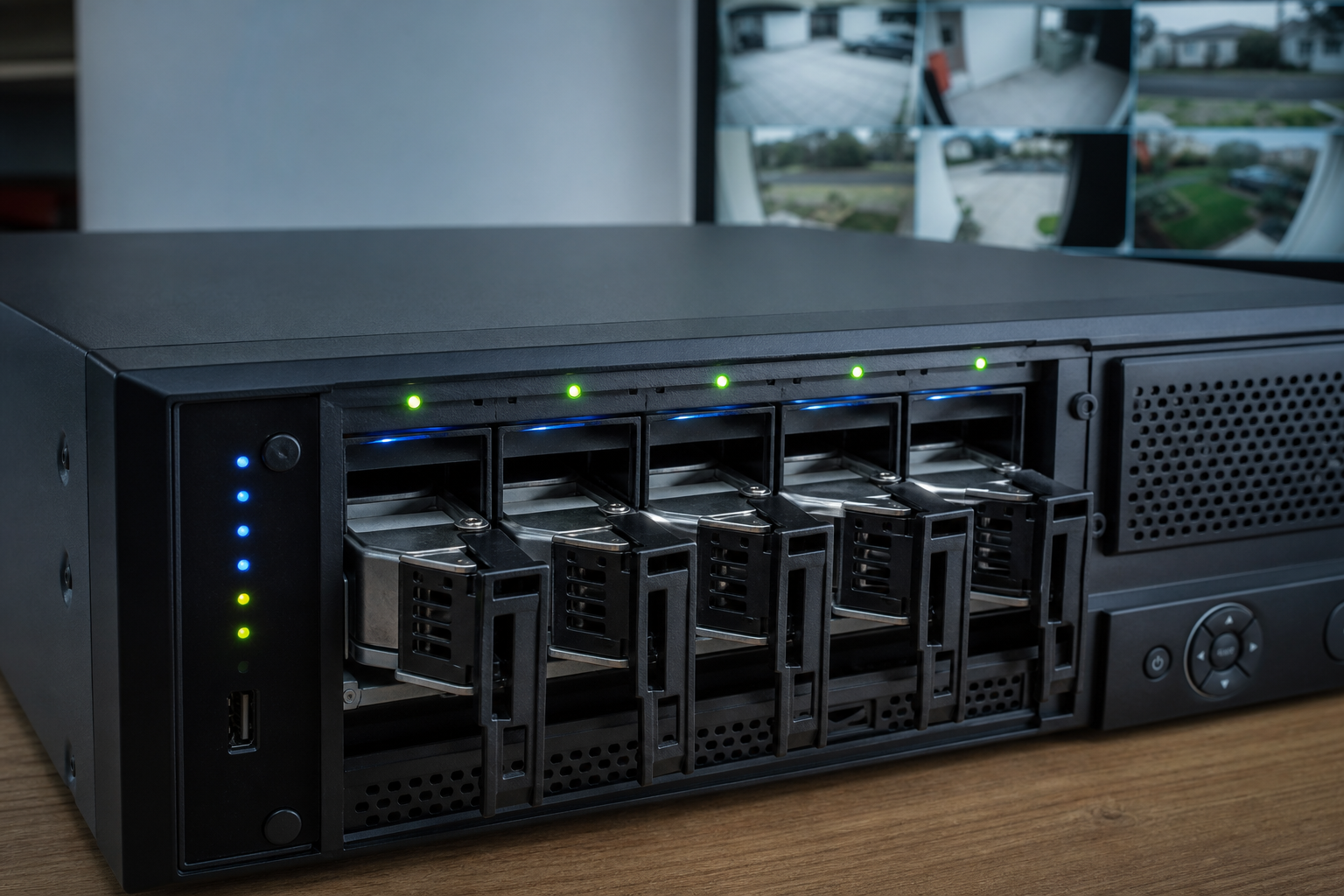 Retention depends on camera count, bit rate, and drive capacity.
Four-megapixel cameras have become the sensible minimum for new installations, with 4K (8 MP) increasingly specified where identification matters — driveways, tills, and entrance doors. Higher resolution only helps if the lens, sensor, and compression are matched to the scene.
Look for:
- True WDR (wide dynamic range) — essential where cameras face direct sunlight or bright car headlights at night.
- Low-light performance — measured in lux; cheaper sensors produce grainy footage after dusk.
- Fixed vs varifocal lenses — varifocal lenses let installers frame the shot precisely rather than relying on digital zoom after the fact.
We specify cameras as part of our CCTV installation service, choosing models suited to each elevation and exposure.
Wired vs wireless — and when each makes sense
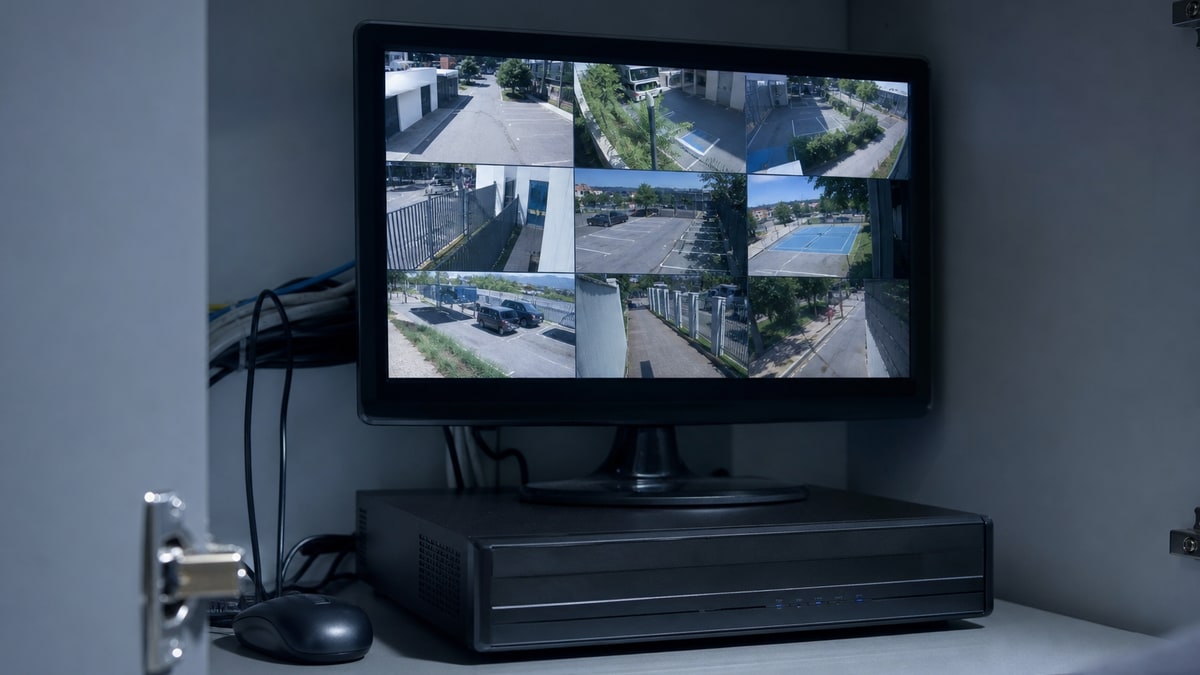
Most permanent installations benefit from a wired backbone: Power over Ethernet (PoE) delivers stable power and data over a single cable, with no dependency on Wi-Fi congestion or battery life. Wireless CCTV has its place — outbuildings, remote gates, and temporary site coverage — but should be surveyed first, not assumed.
Hybrid systems combine a wired NVR at the property with wireless nodes where cabling is impractical. This is common on larger Hertfordshire rural properties where stables and workshops sit well beyond the house.
Storage and retention
Your recorder — typically an NVR for IP systems — determines how long footage is kept. Retention depends on:
- Number of cameras and their bit rate
- Hard drive capacity
- Whether recording is continuous or motion-triggered
For homes, 14–30 days is typical. Businesses often require 60–90 days for insurance and incident review. Cloud backup can supplement local storage but should not be the only copy if broadband is unreliable.
Smart detection and alerts
Modern cameras offer person, vehicle, and line-crossing detection. Used well, these reduce false alerts from swaying trees and passing cats. Used poorly — with every camera set to notify your phone — they become noise you ignore.
Professional commissioning includes:
- Drawing detection zones around relevant areas
- Masking public footpaths and neighbouring property
- Setting sensible schedules so alerts only fire when they matter
This is particularly important for home CCTV where privacy expectations are higher than on commercial premises.
Remote viewing and security
Every system you can access remotely is a potential entry point if poorly configured. Insist on:
- Strong, unique passwords — not factory defaults
- Two-factor authentication where available
- Firmware updates applied during maintenance visits
- No port forwarding unless absolutely necessary; prefer secure cloud tunnels or VPN
Business vs domestic specification
Business CCTV typically needs wider coverage, longer retention, and evidence-quality framing at tills, loading bays, and car parks. Domestic systems prioritise discreet aesthetics, privacy zones, and simple apps for the whole household.
Retail, office, and warehouse environments each present different blind spots. A camera that works above a front door may be wrong for a high bay racking aisle — lens choice and mounting height change the outcome entirely.
Installation quality determines results
The best camera in the wrong position records nothing useful. Professional installation covers:
- Structural fixing — not screws into mortar that fail within a year
- Cable routes through lofts, ducts, and walls with fire-safe penetrations where required
- Correct IP ratings for external cameras
- Surge protection on exposed runs
- Commissioning — focus, exposure, and detection zones tested before handover
DIY kits often leave cables exposed, use inadequate fixings, and place cameras too high or too wide to identify faces or number plates.
What to expect from a site survey
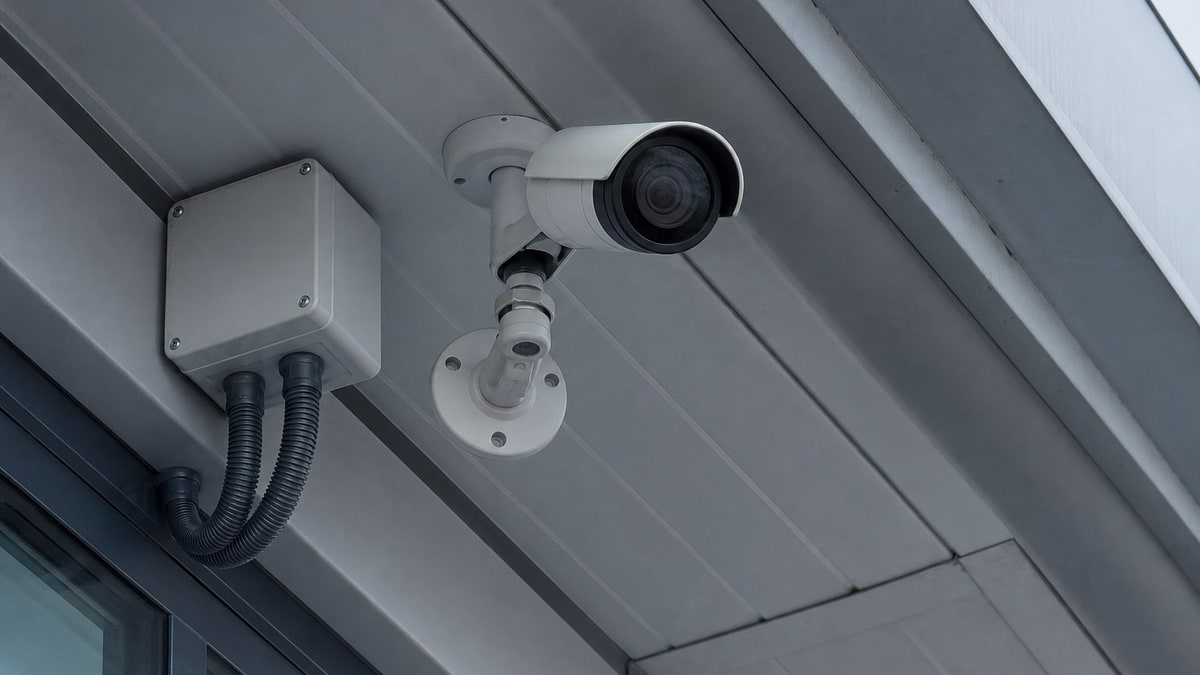
Before quoting, we walk your property and discuss what you are trying to achieve: deterring opportunist theft, monitoring deliveries, protecting staff, or satisfying insurer requirements. The survey produces a camera layout, storage calculation, and clear quotation — not a generic package pulled from a catalogue.
If you are comparing systems, ask any installer:
- Which cameras go where, and why?
- How long is footage retained?
- Who can access remote viewing, and how is it secured?
- What happens if a camera fails — is it under warranty or a maintenance contract?
- Does the installation comply with UK GDPR and ICO guidance?
Maintenance and upgrades
Cameras outlive recorders. A sensible system allows camera upgrades without replacing everything. Annual CCTV maintenance — lens cleaning, firmware updates, and recording verification — keeps systems dependable when you actually need footage.
Ready to specify a system that works? Book a free site survey and we will recommend cameras, storage, and placement matched to your property — across Hertfordshire and surrounding towns.

